The Indian culture of sweets, or mithai, is a treasured part of the Indian culture and it signifies celebrations, festivals and simple indulgences. The their traditional delights are in demand not only in foreign borders of India, but their Indian sweets also form a big portion of the world confectionery trade. Panchkula is one of the vital centres of this booming industry due to the strategic location as well as the gateway to the other states in India and other international markets.
The industry of Panchkala Indian sweets exporter has experienced phenomenal growth with manufacturers and exporters committed to the use of original flavours by adopting the latest standards in production. This paper discusses the Indian sweets export landscape in Panchkula, the key players and what can be seen as the characteristics of this industry.
The role of Panchkula in the Sweets Industry in India.
Panchkula which borders Chandigarh and Haryana is at a strategic location in the Indian sweets market within the north region. It is located close to major cities and transport routes thus making it a perfect hub to manufacturers who want to tap domestic and international markets. The fact that the city is accessible to Punjab, Himachal Pradesh as well as Haryana also enhances the status of Panchkula as an export hub.
Panchkula sweets industry has gained as a result of tradition and innovation. Most of the producers here have old recipes that have been transmitted down through generations and thus the originality. Meanwhile, they have incorporated modernized machinery and hygiene practices to suit the international quality standards. This is a balance that will be necessary to serve a wide range of markets around the globe which require not only the authentic taste but also adherence to the food safety standards.
The Indian Sweets Spectrum of Production and Export.
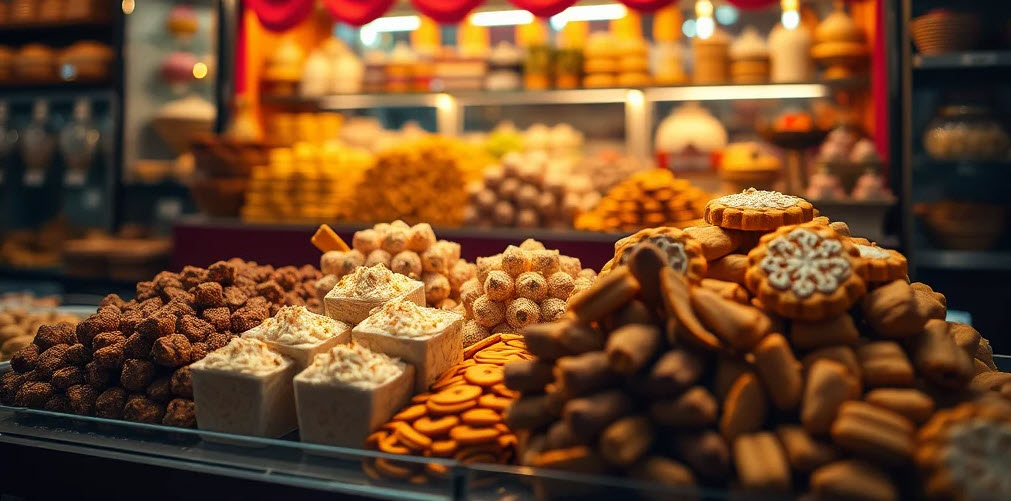
The Indian sweets boast an amazing range of texture and taste, as they are based on the rich cooking tradition of the nation. The exporters of Panchkula also sell various kinds of these sweets that can please the taste and taste of various people in foreign countries.
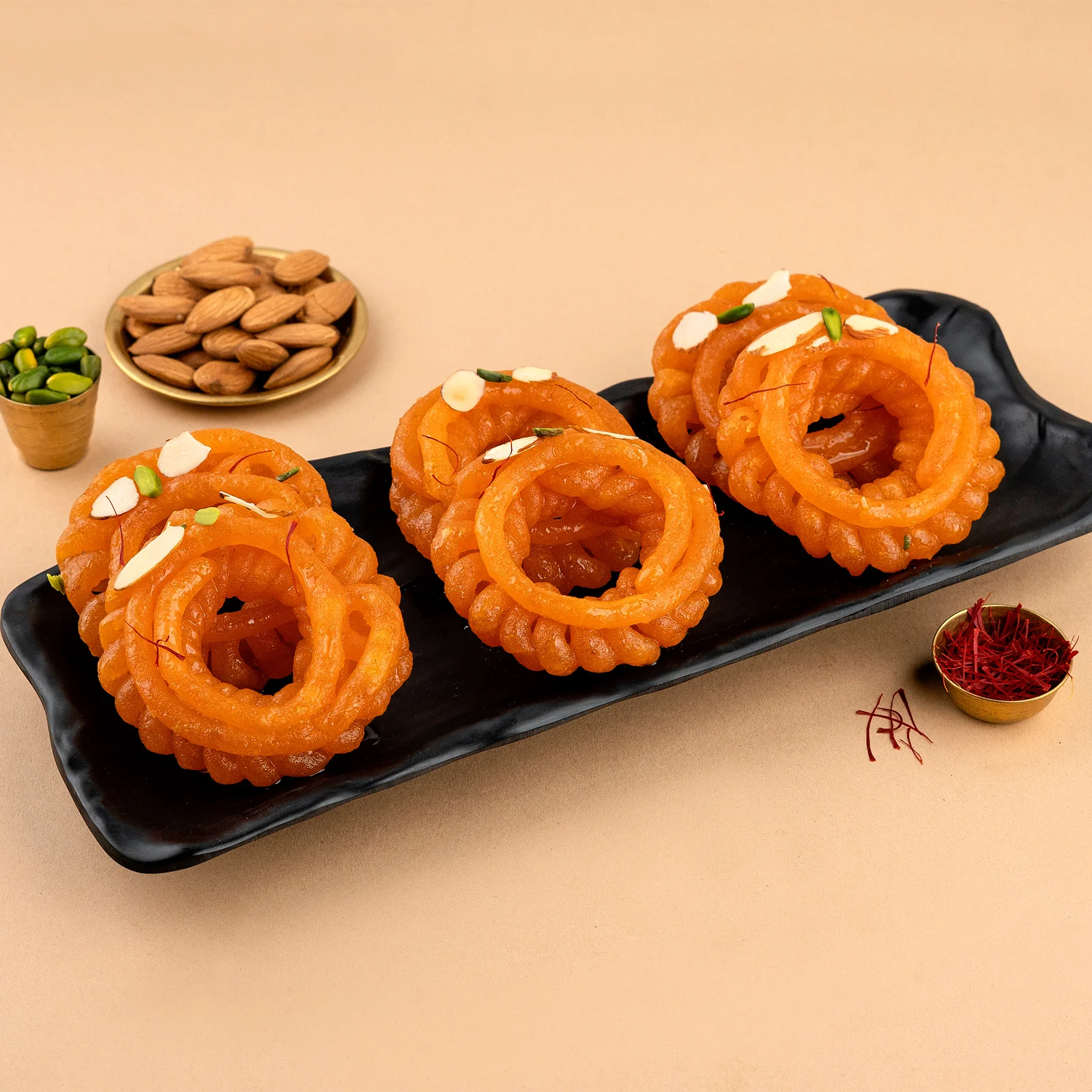
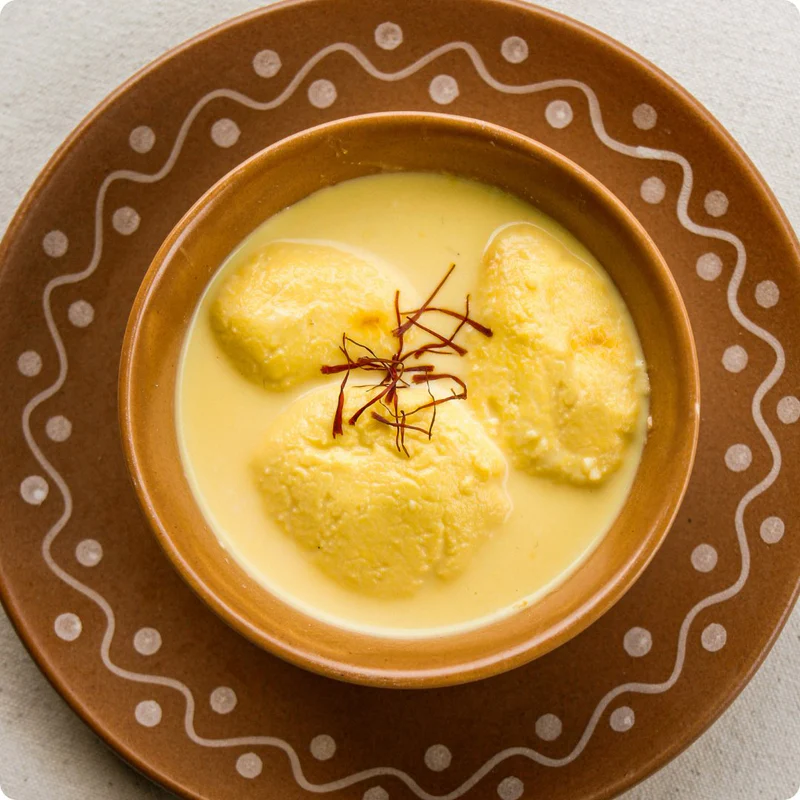
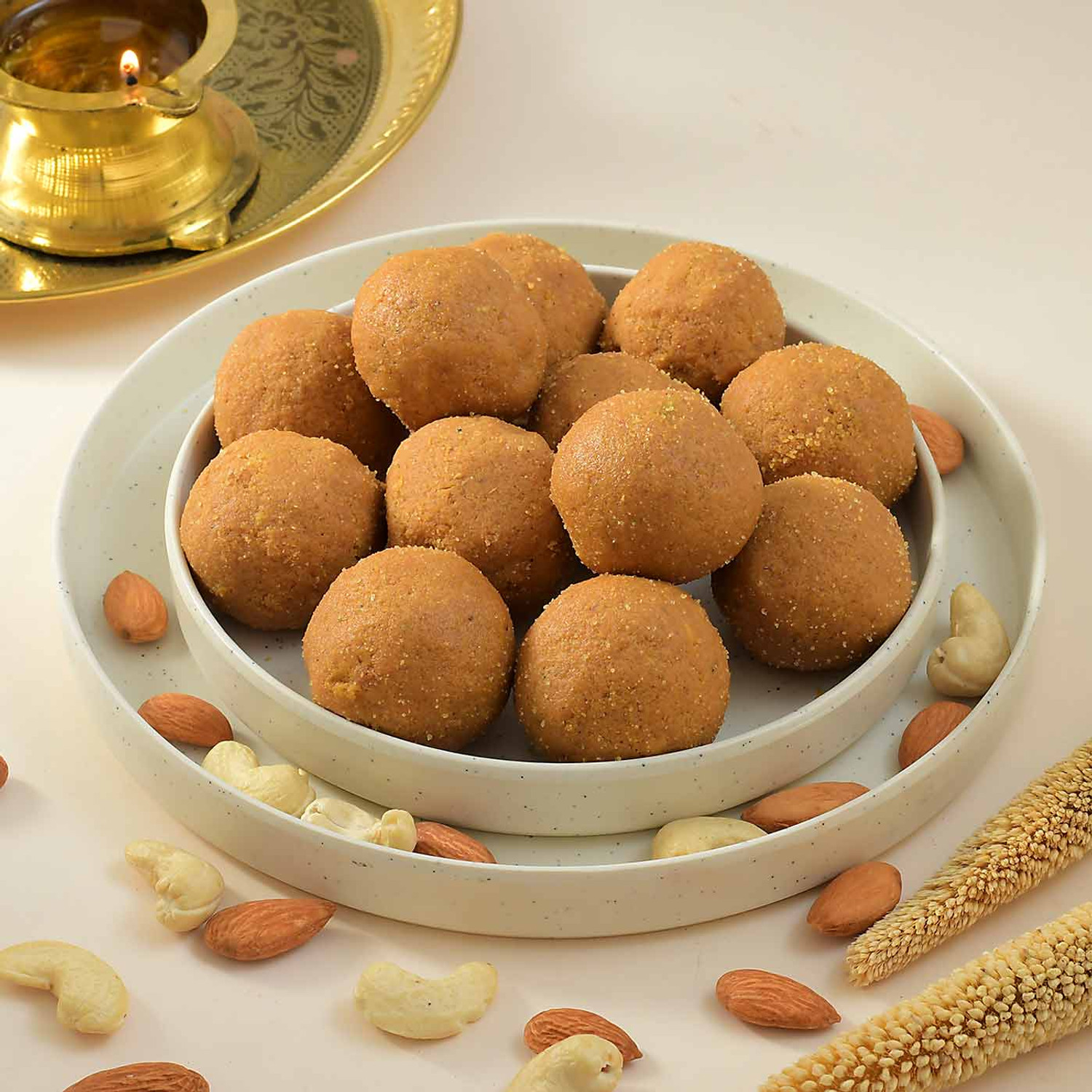
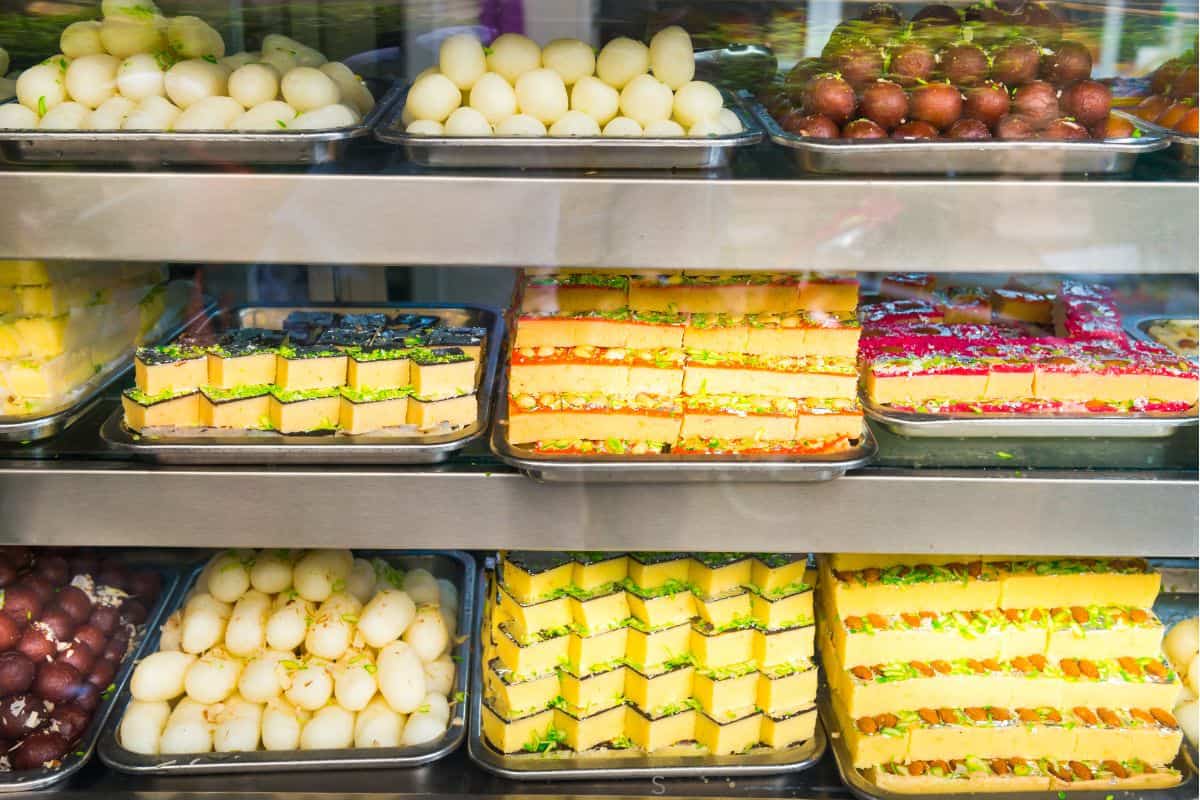
Some of the most favoured products include Rasgulla, Gulab Jamun and Laddu that are traditional favourites not only in India but also abroad. The delicacies released by rasgulla include its wet soft and spongy texture that is soaked in sugar syrup and the gulab jamun that is rich and deep fried in sweet syrup. Laddus are prepared using gram flour or any other material to provide a dense sweet taste, which is commonly served during festivals.
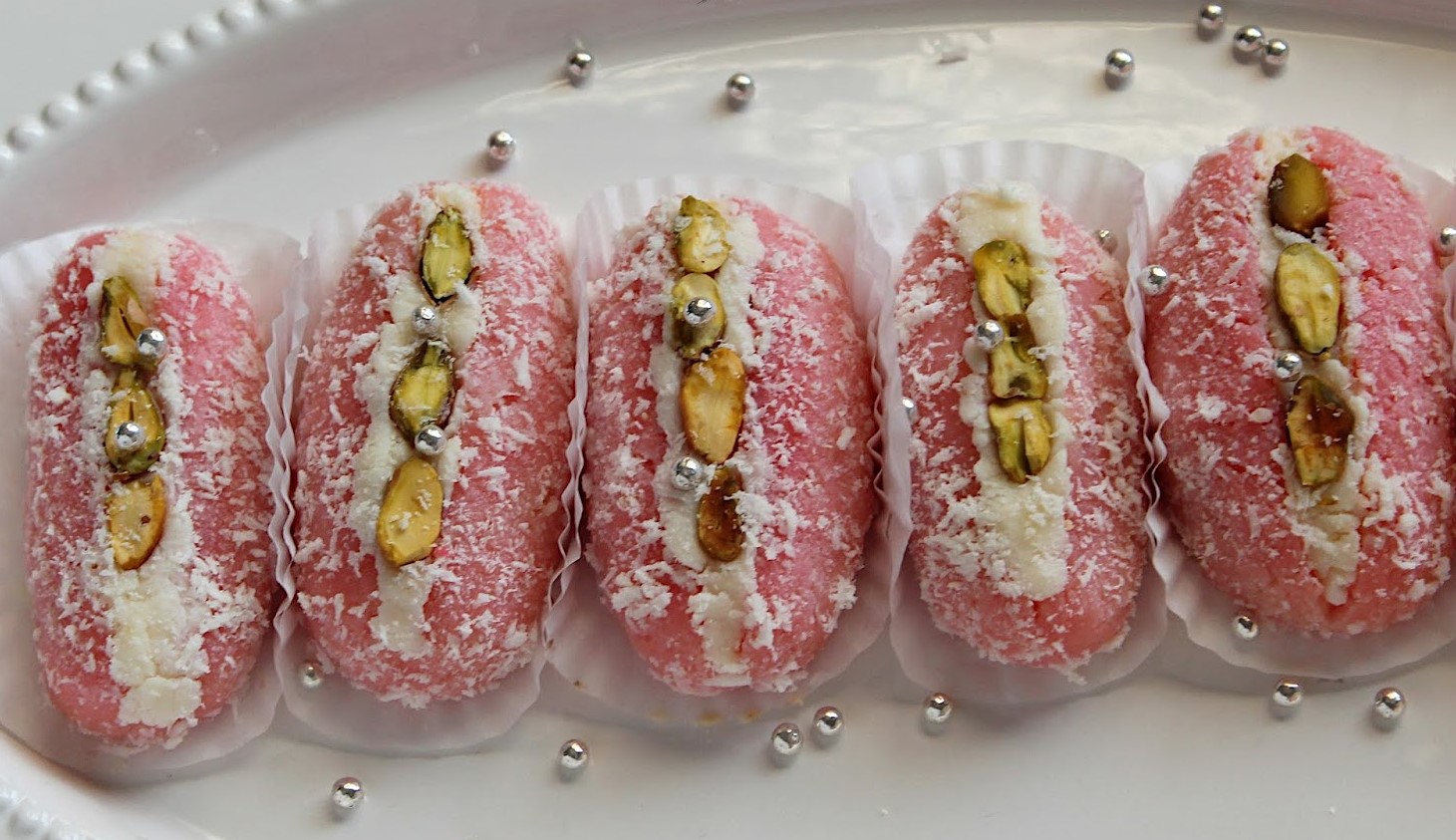
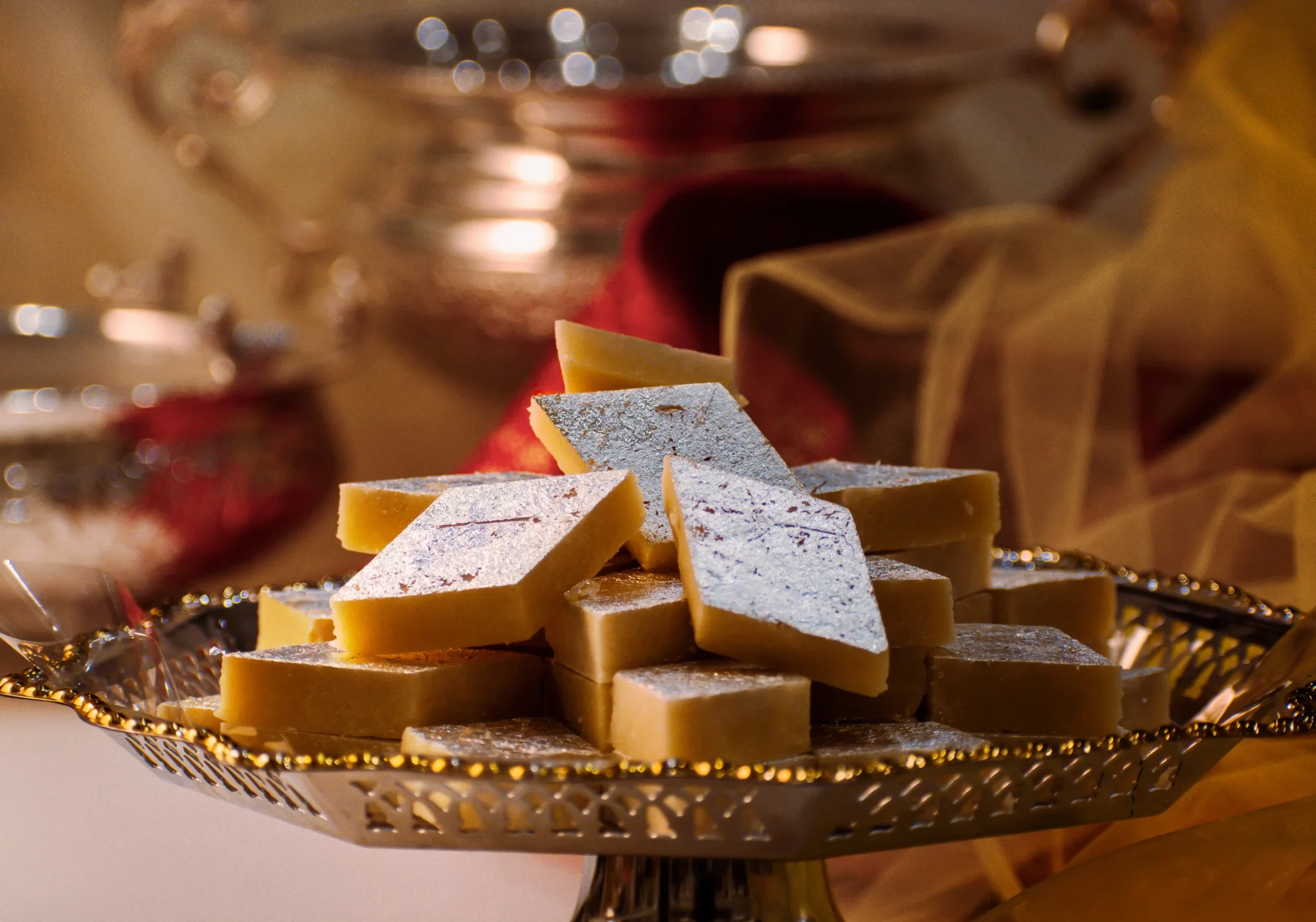
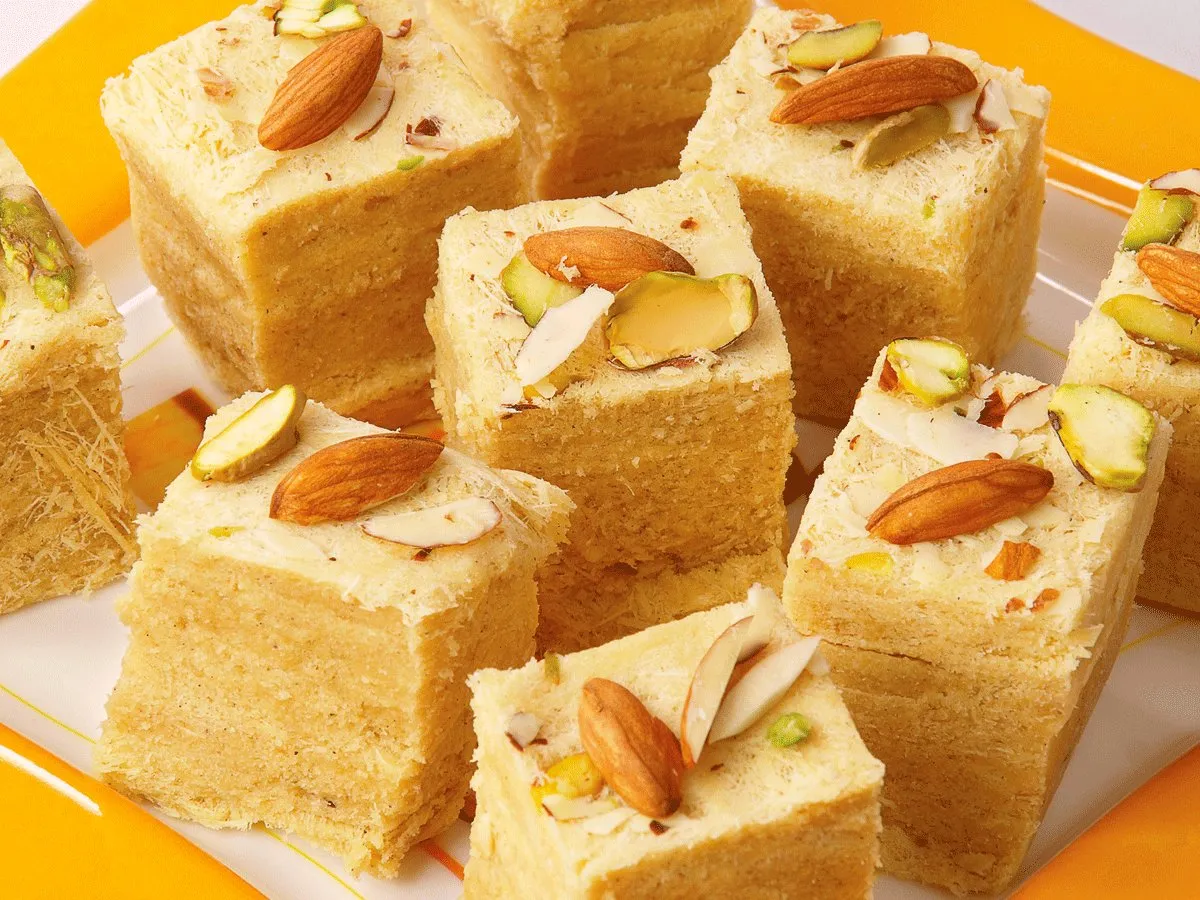
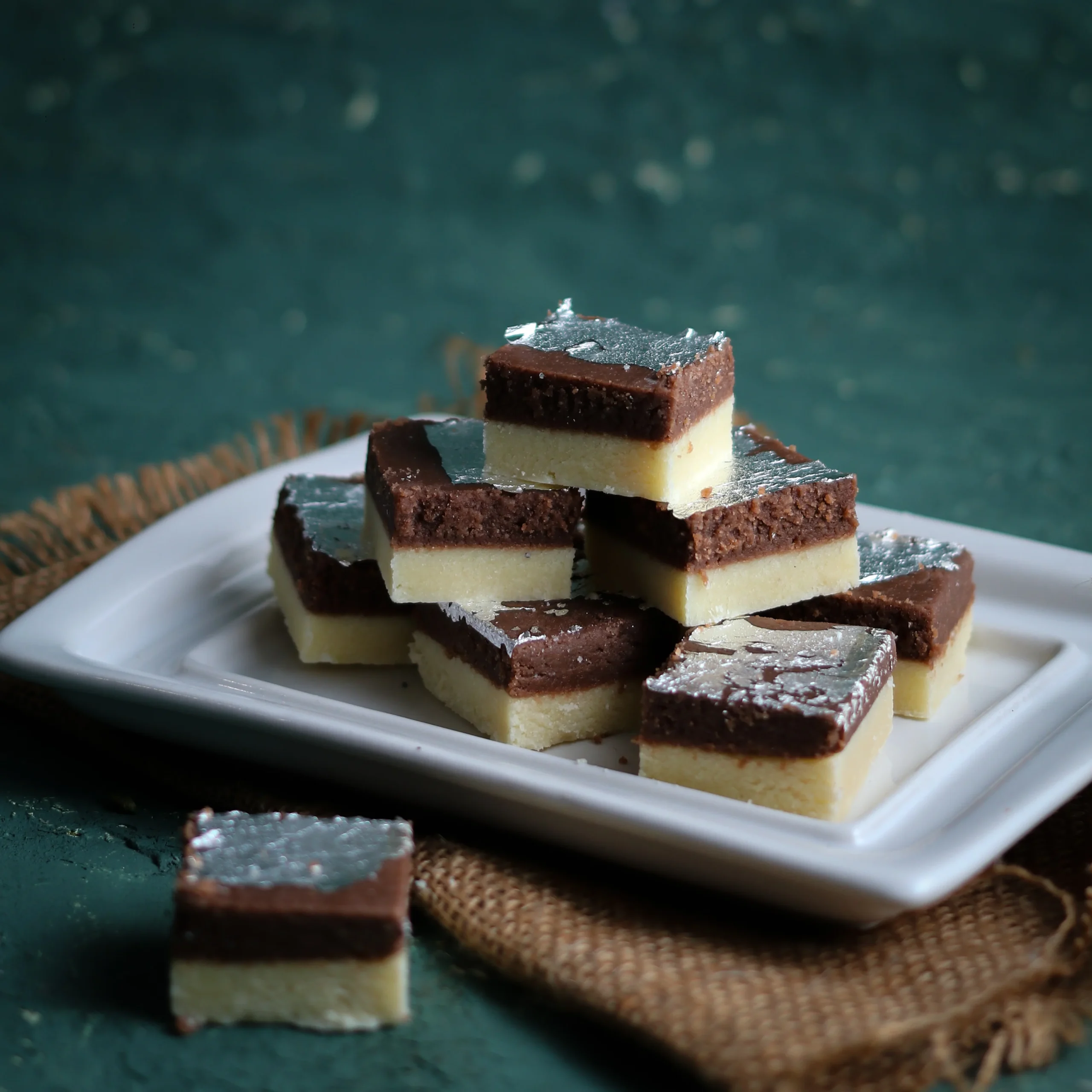
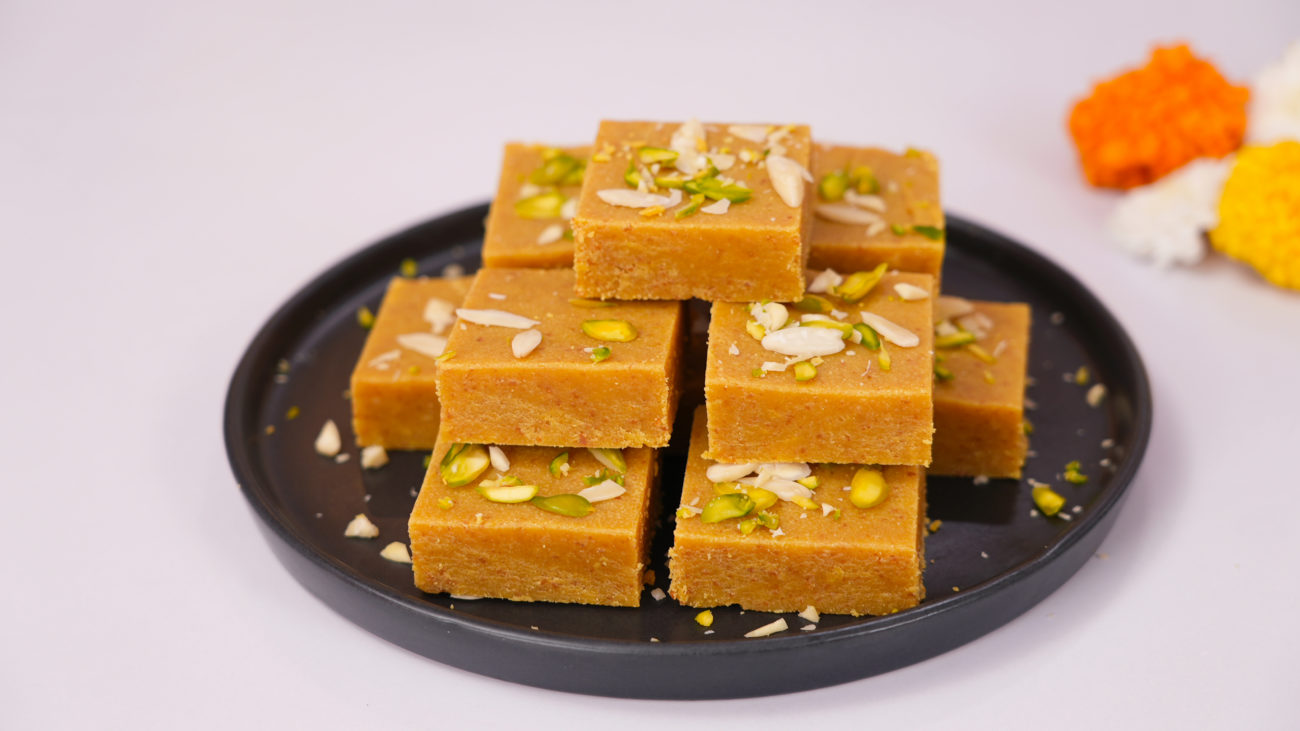
In addition to these, there are specialty sweets like Milk Cake, Barfi, Dhoda and Patisa that demonstrate the diversity of the Indian confectionery. Even Barfi has various varieties such as Besan Barfi, Coconut Barfi and Kaju Barfi, which have various ingredients and flavours that appeal to various tastes. Regional delicacies such as Bikaneri Barfi and the Alwar Barfi are a visual delight to the array of choices already offered by the exporters of Panchkula.
Such a variety of products guarantees that each shipment of exports will be able to satisfy the broad diversity of customers that will be located in different regions and with varied tastes across the globe. The wholesale prices of such sweets also inspire bulk purchasers and retailers to shop at Panchkula without any hesitation.
Standards of Quality and Hygiene in Production.
Over the past years, consumer consciousness regarding food safety and hygiene across the international markets has compelled the exporters to raise their standards. The sweets producers of Panchkula have been the first to venture into this field where the incorporation of specialised machineries not only facilitate the production process but also provide greater hygiene.
Modern equipment is used to ensure that the sweets are cooked in a clean environment that reduces the chances of contamination. Frequent quality inspections, regulated temperature storage and hygiene packaging also maintain the integrity of the products in transit.
To foreign clients, quality and hygiene are a factor that determines suppliers. The reaction to this has been to ensure that Panchkula exporters conform to the global standards of certifications and are practicing sustainability in other areas. This strategy will protect the image of Indian sweets, and give customers fresh and original products with good condition.
Reach and Distribution of Panchkala Sweets Exporters.
The geographic distribution of the sweets that are exported by the city of Panchkula is far greater than the neighbouring states in India. Although distribution centres are located in Punjab, Himachal Pradesh, Chandigarh and Haryana to have the main regional network, the sweets reach out to international markets where Indian diasporas and food lovers are waiting with open mouths.
The exporters take advantage of the logistical strengths of Panchkula to deliver on time. The city has good accessibility through road, rail, and air, which has helped to efficiently export the goods in other parts of Asia, Europe, North America, and Middle East. This convenience facilitates both large scale shipments as well as small ones, and is flexible to accommodate diverse market needs.
In India, retailers and event organisers can find sweets in bulk at wholesale prices at competitive prices. The ability to adapt the order quantities and tailored package further increases the attractiveness of the Panchkula offerings.
The Problems and Future Outlook of Panchkula Sweets Exporters.
Although the growth has a bright future, there are some challenges that exporters in Panchkula have to deal with, which are characteristic of the food export industry. The constant need to adapt and innovate due to regulatory compliances, the changing cost of raw materials and competition among the other regional exporters. Nevertheless, the strength of the business is that the industry has a long history of cultural relevance and the continued need to enjoy the Indian sweets in its original form across the world.
In the future, advancement in technology of production and packaging will have a great influence. The exporters that invest in research and development in order to enhance shelf life without reducing the taste would stand a chance. Secondly, adoption of online stores and online marketing will open up new markets to the sweet trade of Panchkula.
Another trend that has been receiving traction is sustainability, as more customers are increasingly using environmentally friendly packaging and ethically produced foodstuffs. Exporters who support these values will have a better standing in the market and at the same time do good to the environment.
Conclusion
The mission of Panchkula Indian sweets exporter as an important player in the Indian sweet trade is characterized by a sense of authenticity, quality and innovation. The wide variety of the traditional sweets that are manufactured using the modern equipment and high hygiene standards demonstrate the fact that Panchkula can cater to both the local and foreign demand in an efficient way. Having excellent regional distribution systems and growing international presence, exporters of this region keep on putting India higher on the global confectionary map.
When one wants to taste the best Indian desserts prepared with attention and skill, Murliwala Sweets can be a proud heir to a long and tradition-old tradition of sweet-making in Punjab. Fusing traditional recipes and the modern production techniques, Murliwala Sweets will provide the customers in Punjab, Himachal Pradesh, Chandigarh, and Haryana with a really innovative rental living experience and secure its position among the key exporters of the sweet success of Panchkula.