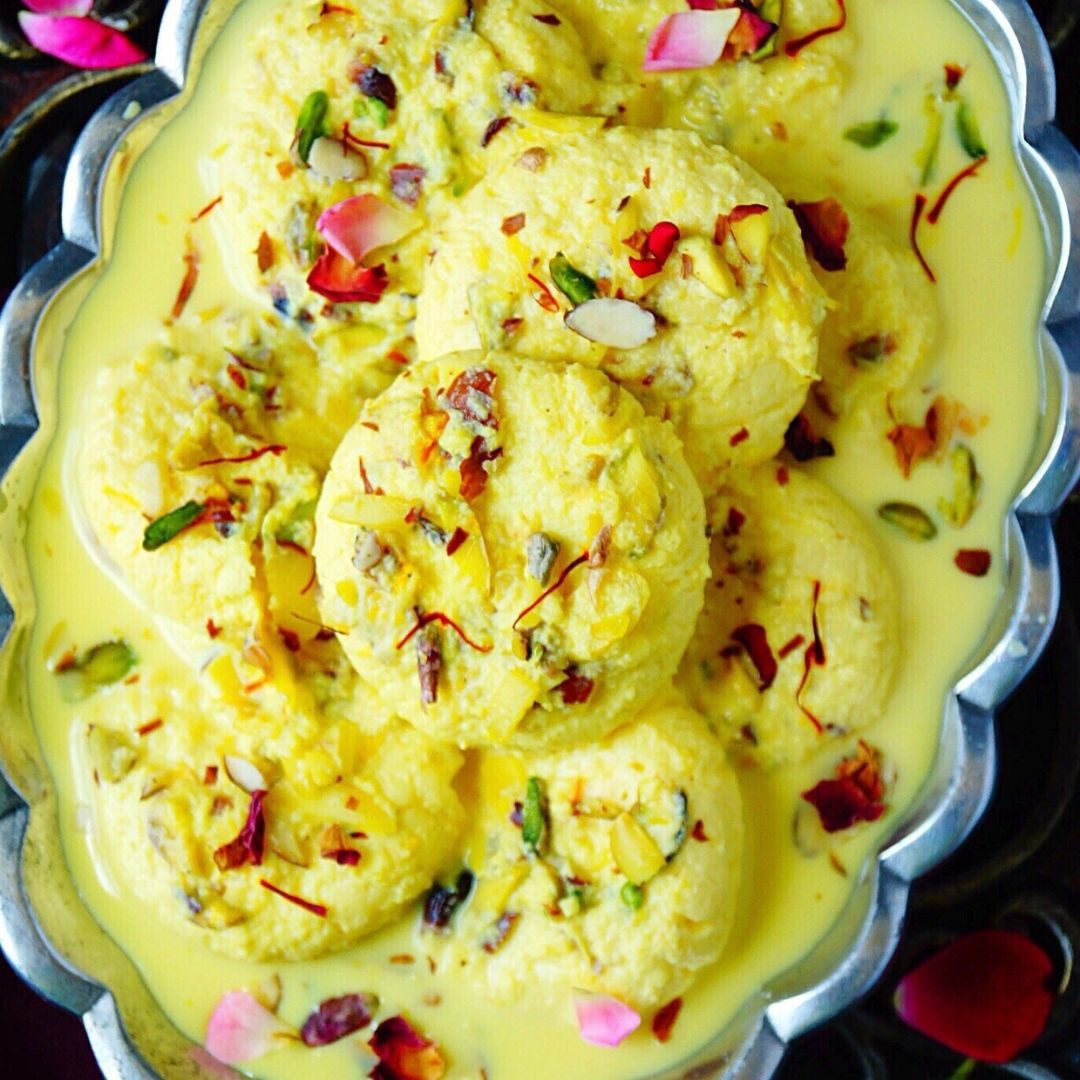
The Indian premium sweets manufacturer wholesale sector has undergone a drastic change in the recent past. Being highly traditional and cultural, the sector is changing to adopt new production technologies, quality levels, and consumer preferences. Brands producing Indian sweets such as Rasgulla, Gulab Jamun, Laddu, and different varieties of Barfi are taking up new strategies to satisfy the needs of new markets without losing the customer touch with the original flavours. The increasing trend on hygiene, automation, and regional distribution is one of the factors that will determine the future of the industry.
Technological Modernisation of Production
The excessive attention to mechanisation and automation is one of the most obvious tendencies in the wholesale market of the premium manufacture of sweets. Previously Indian sweets were being made in traditional ways which involved manual labour and took hours to make. Nevertheless, the manufacturers have been incorporating specialised machines aiming at consistency, hygiene and efficiency in production.
Automated systems have the following benefits, controlled cooking temperatures, accurate measurement of ingredients and more processing time. This minimises human error, limits chances of contamination, and provides consistency of taste and texture. It is also highly scalable and the quality is still high with later machines having the capability of producing tasks such as kneading dough to make sweet foods such as Dhoda and Patisa and also to mould delicate shapes used in making desserts such as Rasgulla.
Focusing on Hygiene and Food Safety
The role of hygiene in food production is now more than ever, particularly after the pandemic. The safety and hygiene of food products are the issue which is becoming more important to the customers and manufacturers of sweets deserve to be considered as the providers of products with good hygiene and safety. This is evident in all the production facilities where sweet manufacturers apply cleanrooms and controlled environments as well as sophisticated packaging technology.
The manufacturers are also required to build up to the requisite food safety standards and certifications that will help to assure wholesale buyers of the quality of the product. It can be contaminated with the help of stainless steel equipment and normal sanitisation. Also, closed package systems maintain freshness through the storage and transportation, which is critical in the sweets such as Kalakand and Milk Cake which could be vulnerable to environmental factors. This focus on cleanliness enhances consumer trust and increases the market coverage.
Increasing Regional Distribution Networks
The other important trend that is expected to influence the premium sweets wholesale business is the growth of the channels of distribution. No longer are the wholesale manufacturers restricted in serving the local markets, but they are aiming at wider regional coverage. The deliveries can now be made to the states like Punjab, Himachal Pradesh, Chandigarh, and Haryana so that more people can be able to taste the true Indian sweets.
The growth is supported by the improved logistical infrastructure and collaboration with retailers in other parts of the world. It gives manufacturers the ability to scale their business without losing efficiency in the supply chain. Companies increase brand awareness by distributing sweets such as Besan Barfi, Coconut Barfi, or classic dishes made in their home countries such as Laddu and Gulab Jamun to provide diasporas with the opportunity to experience genuine flavors of their motherland.
Differentiation of Products to Consumer Tastes
The sweets industry is also facing the impact of consumer demands in product innovation. Although the traditional recipes are considered the mainstay, the manufacturers are trying different variations to suit various tastes. With alternative types of nuts, flavour additions or low-sugar versions, it is possible to create sweets that appeal to health-conscious and younger customers.
Sweets like Kaju Barfi or Chocolate Barfi are usually tailored by the manufacturers based on regional tastes or on the requirement of relying on certain festivals. This enables the retailers and wholesalers to have different assortments which are attractive to their specific customers. The broader range of sweets such as Til Bhugga and Gajar Barfi should be added to the product range to make the wholesaler more innovative and competitive.
Green and Environmental Friendly Processes
Sustainability has emerged as a prominent thought process in the food manufacturing sector, which is inclusive of the premium sweets manufacturing industry. Environmental issues are ceasing to be a peripheral issue, and they form part of business practices. The manufacturers are slowly switching to ecological packaging, they are minimizing plastic usage and by adopting manufacturing processes that are energy efficient.
Mass production through hygienic and automated plants aids in minimisation of raw materials waste and maximisation of resources.
Wholesalers and retailers have a greener option through the manufacturers who use bio-degradable or recyclable packaging materials, which will meet the global sustainability targets. The trend appeals to environmentally conscious consumers who are willing to associate with a brand that is responsible and of quality.
Adoption of Digital Technology and E-Commerce
The production is not the only thing that technology is revolutionising but the wholesale marketing and sale mechanisms of the manufacturers of premium sweets are also being transformed by technology. Computerized applications such as inventory management systems, automated order processing and tracking systems enhance operational efficiency. These are used to assist the wholesalers to control demand forecasts, ease logistics and ensure timely deliveries.
E-commerce systems enable the manufacturers to access smaller wholesalers and retail companies that would like to do their ordering online and reach a wider market. The entire variety of sweets including Dhoda to various varieties of Barfi are displayed through websites and online catalogues, and thus the product information is readily available. This digital transformation fosters openness and trust in business associations.
Custodial Quality with Innovative Productivity
However, the sweets industry is scrupulous about the authenticity and quality that characterise Indian sweets despite the high modernisation rate. Old recipes that have been inherited over the years are still dominant in production procedures. The work of the machine can also be controlled by skilled artisans to make sure that modern techniques do not destroy the original taste and texture.
This tradition and innovation is central to retaining customer loyalty. Sweets such as Shadi Bhaji, Patisa, and Desi Barfi are even being made using the time-proven techniques, which are now complemented by the modern equipments to improve hygiene and standardisation. This will make sure that wholesale consumers and end users have constant quality goods that reflect the rich culinary culture.
Fulfilling the Requirements of Festivals and Celebrations
The high-end confectionaries are directly associated with Indian festivals, weddings and cultural events. Such events cause high peaks in demand, affecting the production planning and inventory levels. The manufacturers are keen on planning these peak seasons by boosting production capacity and delivery on time to distributors and retailers.
With a large range of sweets (Barfi in its various shapes: Alwar, Bikaneri, Coconut, Chocolate), popular sweets with several manufacturers being Gulab Jamun and Rasgulla, consumers have a choice that can fulfill their festival and gift giving requirements. This form of demand is cyclic and defines the trends of production and it is the force behind innovation in packaging and presentation.
Conclusion
Technology, hygiene standards, regional expansion, and consumer preference are changing the wholesale market of the Indian sweets in a rapid manner. The wholesale of the premium sweets manufacturer is modernising, but not at the expense of rich traditions that make the products of the beloved ones. Manufacturers are also developing with specialised equipment, environmentally sustainable processes and electronic technologies and making all the sweets tasty with the authentic flavour and quality.
To the customer who wants to get some trustworthy and natural sweets in the north part of India, Murliwala Sweets has been able to provide them with the traditional recipes along with modernized production quality. They promise new-fangled rental living accommodation and high coverage in Punjab, Himachal Pradesh, Chandigarh and Haryana which makes them a choice of preference of those who cherish quality and tradition in Indian confectionery.