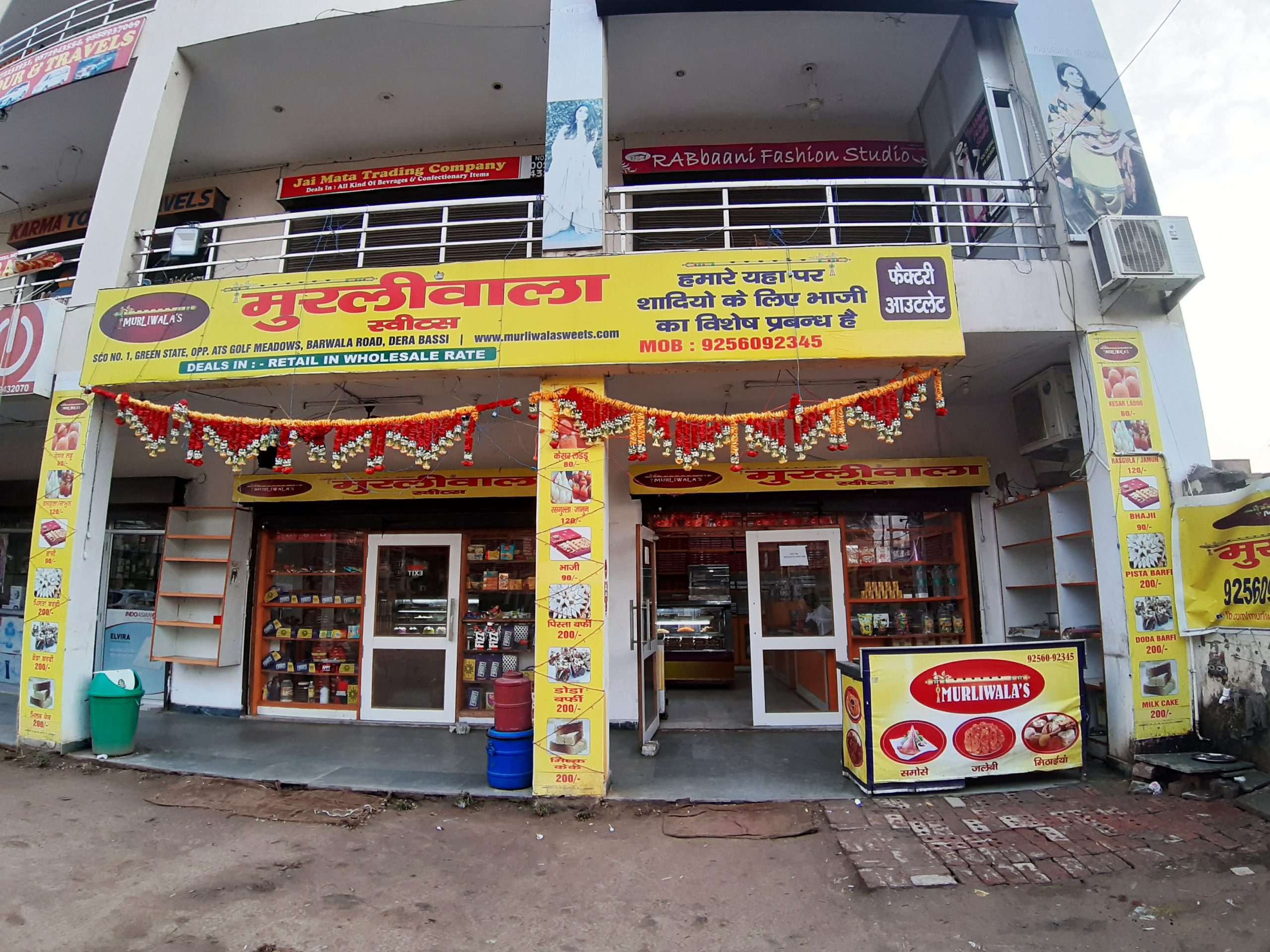
From creamy to sweet and rich, the scent of freshly made Mithai holds a special place in the hearts of millions in India. This is most prominent in Punjab. Sweets serve a big part in daily life, celebrations, and hospitality. But what does it take to create these nationwide beloved sweets in tenderness? Punjab and Indian sweet factories have been steps ahead in mixing intricate craftsmanship with modern machinery. As a result, each piece of mithai is created with perfect tenderness, taste, quality, and hygiene.
The center of the sweet industry in Punjab
The Indian state of Punjab is well known for its sweets. From casual household enjoyment to the most tastebud-tempting part of weddings, religious ceremonies, and even social get-togethers, sweets play an unskippable part. Rasgulla, Gulab Jamun, Milk Cake, Barfi, Laddu, Patisa, and all-region specialties are often in demand. During festive seasons, these demands seem impossible to meet. However, the mix of timeless craftsmanship and modern industrial speed for mass production ensures they never go unmet.
Choosing the Best Quality Ingredients
Every mithai creation begins with the selection of necessary ingredients, which must be executed with precision. In the Punjab-based Indian sweets factory, only the finest grades of milk, sugar, ghee, and dried fruits are selected. The freshness of these ingredients is critically important considering how it influences the taste, texture, and even how long the sweets can be stored. For milk-based products such as Kalakand and milk cake, several factories pick up milk from local dairies on a daily basis.
The Center of Modern Mithai Production: Specialized Gadgets
In a large-scale factory, one of the key concerns is ensuring that mass-produced sweets taste just as delicious as those made at home, which starts with ensuring that recipes are not altered. Throughout the entire production process, from mixing and kneading to frying and shaping, specialized devices are employed. Mechanization does not just increase production speed; it also guarantees that every batch will taste and look alike.
For example, Rasgulla and Gulab Jamun are fried to a perfect golden brown in oil baths set to the correct temperature. The dough for laddus and barfis is mixed in huge sanitary vats, from which it is automatically divided and shaped into requested sizes. After being placed into boxes, new advanced packaging machines will preserve the sweets without them going stale, prolonging the time they can remain unused and enabling them to be sold in bulk.
Hygiene and Quality Control: Zero Tolerance
One of the concerns of an established manufacturer of sweets is maintaining strict hygiene policies. Maintenance of hygiene during the preparation of Indian sweets in Punjab is taken to another level. The workers maintain all sanitation steps, like wearing gloves and hairnets, and even the facility gets sanitized on a regular basis. FSSAI certifications are clear indicators of strict standards in Punjab.
The quality control departments are responsible for the sampling of each batch. Every sweet must go through a taste and aesthetic inspection to ensure the most demanding standards. Color, texture and taste deviations are dealt with promptly to ensure brand reputation.
Meeting the Surge: Festivals and Large Orders
Festivals like Diwali, Holi, Raksha Bandhan and weddings mark an increase in demand for mithai. Factories increase production and even go as far as running their machines 24/7. Lines are designed around speed and separate areas for fried and baked sweets. This design prevents cross-contamination and allows for easy adjustment to the day’s demands.
Logistics become an essential part of the operation during peak seasons. Well-organized storage facilities, along with sophisticated transportation, make sure that the sweets are delivered safely and in top condition to retailers and consumers throughout Punjab, Himachal Pradesh, Chandigarh, and Haryana. Freshness is preserved during long trips with temperature-controlled trucks and airtight packaging.
The Art Of Mithai: Balancing Tradition and Innovation
The core of traditional mithai making will not be lost, even with the volume of production. Several sweets like Dhoda, Patisa, and Kalakand are prepared with the utmost precision in terms of time, temperature, and execution. Experienced supervisors monitor the journey and make changes along the way to ensure reliability to the authentic taste and texture that the customers expect.
Alongside tradition, innovation takes a pervasive stance. New ideas are constantly being developed in relation to taste, form, and even the containers used for Barfi, Kaju Barfi, and Coconut Barfi, which are only a few of the countless traditional recipes being revamped to suit today’s tastes. Despite all the changes, the essence of mithai from Punjab—warmth, generosity, and joy—remains untouched.
Making Desserts More Accessible and Cheaper
One of the distinguishing features of mithai production on a large scale is attempting to provide sweets at a cheaper price. Factories allow everyone to enjoy good-quality sweets by providing production in bulk and using economies of scale. This level of affordability becomes very crucial during weddings and festivals, where sweets are provided to hundreds of people as a gesture.
Sweets with Responsibility: Environmentally Sustainable Practices
Sustainable practices are being adopted by modern sweets factories at a more rapid pace than ever. From sourcing the ingredients to reducing the amount of waste created, the brand does everything to lessen their environmental footprint. For instance, the brand selects packaging materials that are suitable for recycling. The joy of mithai can now endure for generations to come because of these environmentally sustainable practices.
Customer Satisfaction and Delivery: Adding the Final Touch
Every sweet ends the delivery at customers’ doors , retailers and event planners. These deliveries must occur on time, which means logistics must be timely. Within the context of sweets, whether it is for an intimate family gathering or an elaborate wedding, the aim is unchanging—to bring joy.
Final Note
There is a smooth fusion of age-old traditions and cutting-edge technology teamwork in the world behind the walls of a Punjabi Indian sweets factory. Each step of the process, from choosing the best possible ingredients to hygiene practices, as well as delivering sweets throughout the region, is taken with a love for quality and joy of the customers. At Murliwala Sweets, we take pride in upholding this tradition by delivering quality mithai made with skill, attention to detail, and a generous dose of Punjabi hospitality.