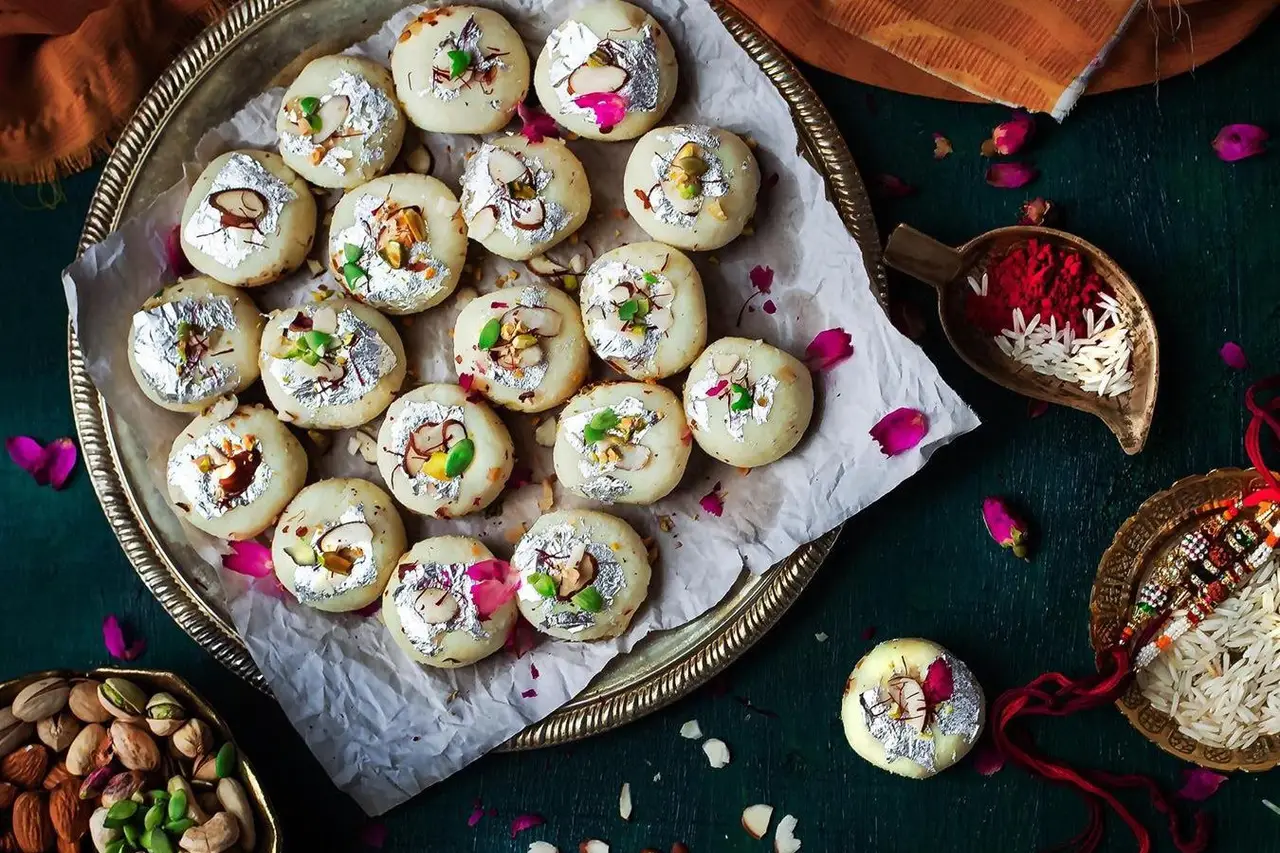
The Indian desert landscape is extraordinarily colorful considering the inner cultural and traditional values they possess. Indian sweets such as Rasgulla and Kaju Barfi serve as Indian dishes that are an essential part of every festival. They also pose a challenge to their manufacturers, who need to find a balance between availability and traditional meaningfulness.
A Brief Overview of Indian Sweets
Mithai or Indian sweets, has been a part of Indian tradition and culture for many years, and each state has its own method of creating them. Punjab is known for its signature sweets like Patisa, Dhoda, and Milk Cake that are consumed during winters and are used to celebrate various festivals and events. These Indian delicacies which included likwa, ghee and nuts, take a long time to prepare and require constant care during the cooking process as well as offseason aids to ensure the best quality results.
Authenticity in taste matters a lot to buyers where traditional mithai is mandatory for joyous events like marriages and festivals. As a result, businesses also need to devise solutions to ensure top-level quality without hindering output.
Scaling Up: Keeping Pace With Modern Wholesaling Trends
The Indian sweets industry has seen phenomenal growth with metropolitan areas expanding and the gifting culture becoming popular. Businesses, retailers, and catering companies purchase sweets in bulk for corporate events and retail purposes. However, increasing production volume brings its set of challenges, such as maintaining consistency, hygiene, and the distinct taste and feel of every sweet.
At this level in the supply chain, the use of specialized machinery becomes indispensable. Modern machinery can preserve important elements of traditional recipes even when producing in large quantities. Machines can do the mixing, shaping, and frying, but even today, the processes begin with handpicking the freshest ingredients and are done in accordance with traditional methods.
The Foundations of Consumer Trust: Hygiene and Quality
Hygiene is a major concern in today’s world. Apart from having outstanding taste, sweets must guarantee that each piece is safe for consumption. This is critical in wholesale, where large volumes of products are manufactured for distribution over large geographical regions.
Preserving hygiene starts with obtaining high-quality raw materials, which include milk, ghee, nuts, and sugar, from reputable suppliers. Every ingredient undergoes tests for freshness and purity. Along with appropriate cleaning, the hygiene-maintaining practices within a workplace also involve regular cleaning of equipment as well as workspaces. Every employee is trained in food safety etiquette, which requires them to wear gloves, masks, and head coverings to prevent contamination at all levels.
Preservation also plays an essential role. Vacuum-sealed containers aid in preventing exposure to moisture and dampness during transport while also prolonging the shelf life of sweets. All ingredients included, along with best-before dates, are marked clearly on the containers, which also aids in fulfilling other necessary regulations while improving consumer trust.
Maintaining Tradition With Every Batch
A true test of a manufacturer that sells sweets in bulk is the enhanced capability in maintaining traditional and original recipes during mass production. Resorting to easier methods that compromise taste and texture can be detrimental, as faster techniques are not always the best choice. For instance, Milk Cake requires a slow simmer of milk, which needs to be done and not rushed or else the process will ruin the final result.
To achieve this equilibrium, several companies take on a hybrid model; machines boost productivity, but skilled artisans are brought on for the delicate, nuanced steps required in the mitai-making process. This allows every batch to capture the distinctive mitai character and taste cherished by their customers.
Shelf Life and Freshness: The Science Behind the Sweetness
Caring for the standard Indian wholesale sweet market is one of the most difficult challenges that needs to be tackled. This challenge focuses on keeping the flavor and freshness of sweets in mint condition from the moment they leave the factory till they reach the customers’ hands. Different types of sweets have varying shelf lives based on their ingredients and preparation methods.
Rasgulla and Gulab Jamun, as with many milk-based sweets, are best enjoyed freshly made but can be preserved for a week when kept refrigerated and packaged correctly. Various dry sweets like barfi, laddu, and Patisa, have a longer shelf life, often needing no refrigeration for several weeks. Advanced techniques like vacuum packaging and dehydration also keep flavor, texture, and freshness intact.
Regional Reach and Wholesale Affordability
Not only does Punjab have a prominent place in India because of its sweets, but it is also well known across the border in Himachal Pradesh, Chandigarh, and Haryana. B. Volta asing distribution permits mithai wholesalers, event planners, and sweet shops to obtain a large selection of sweets at a lower price. With this level of availability, traditional sweets can be enjoyed without restrictions imposed by location or finances.
Only efficient production, bulk ingredient purchases, and optimized logistics can make these sweets affordable. However, leading manufacturers never compromise on the quality of raw materials or the integrity of their recipes. The result is a product that can be enjoyed and cherished by people widely, combined with the essence of authentic Indian traditions.
The Role of Sustainability
Like many other industries, consumers have become increasingly aware of the sweets industry due to its environmental impact, which affects marketing strategies. The leading companies in the market are changing their sweet-making techniques by adding sustainable practices such as waste reduction, packaging optimization, and responsible ingredient sourcing. Since ethically strong and responsible brands must make sacrifices to protect the environment, this shift greatly appeals to them.
Fastest Growing and Future Prospective of Indian Sweets Sweets
Wholesale Indian sweets will continue to grow with the appreciation of authentic regional flavors and ease of purchasing in bulk. Further, innovations in packing, preservation, and logistics will improve the delivery of fresh, high-quality sweets to a wider region and even internationally.
The essence of this evolution continues to be uncompromised authenticity. From family celebrations to gifts, traditional Indian sweets will continue to be loved for the taste, heritage, and artistry ingrained in them.
Conclusion
While scaling the production of Indian sweets, ensuring that authenticity remains uncompromised is both an art and a science. By incorporating traditional recipes with modern production techniques, maintaining high standards of cleanliness, and going green, makers of Murliwala Sweets ensure that each bite, no matter the distance or number of people, retains the real taste of India. The Indian mithai wholesale market still stands strong in value, authenticity, quality, and, most importantly, sweetness.